
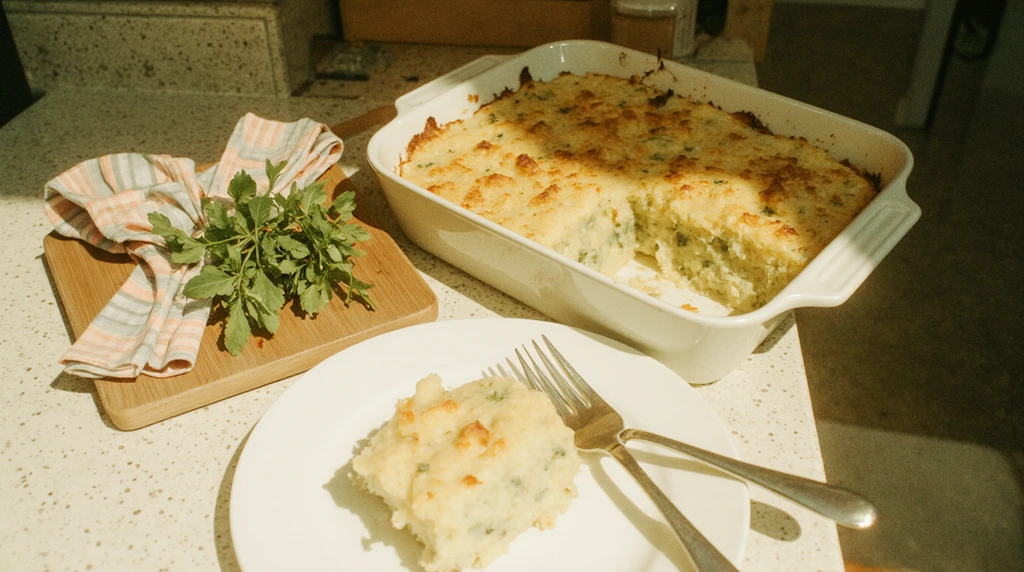
Okay, so Amish harvest casserole wasn’t something I grew up eating, but when I first made it about four years ago, it genuinely felt like I was eating at someone’s grandmother’s table. Like, that specific kind of comforting that you can’t quite explain. The kind where you’re not even hungry anymore but you keep eating spoonfuls straight from the pan anyway. And then you feel slightly guilty about it. That’s Amish harvest casserole energy right there.
The whole Amish harvest casserole discovery happened kind of by accident, actually. I was at a farmers market up in Lancaster County—we were visiting my cousin who moved near the Amish community there—and I stopped to buy vegetables from this woman at a stand. She had the most beautiful squash and zucchini you’ve ever seen. Just gorgeous. And while I was loading everything into my bag, she asked what I was planning to make, and when I said “honestly, I have no idea,” she literally wrote down this recipe on the back of a receipt. Just like that. Handed it over with this knowing smile like she knew I needed this in my life. And she was absolutely right.
Why Amish Harvest Casserole Became My Go-To Fall Dinner
Here’s the thing about fall—everyone’s suddenly obsessed with pumpkin spice and pumpkin everything, and don’t get me wrong, I love that vibe. But Amish harvest casserole is the savory alternative that nobody talks about. It celebrates actual harvest vegetables—the squash, the zucchini, the tomatoes—in this totally wholesome way that makes you feel like you’re eating something meaningful, you know? Not just something that tastes like a candle smells.
The reason I keep making Amish harvest casserole is honestly because it’s just so fundamentally good. It’s hearty enough to be a main course, but it’s also packed with vegetables so you don’t feel like you’re eating pure junk. It’s the kind of food that makes sense in September when everything’s coming in from the garden, but also in March when you’re desperately craving that cozy feeling again. It’s also wildly budget-friendly, which is very on-brand with Amish cooking, and I respect that. Especially when produce is cheap.
The Amish are basically the masters of making delicious, comforting food from simple ingredients. No fancy techniques. No weird things you have to order online. Just vegetables, some dairy, maybe some breadcrumbs or cornmeal on top, and boom—dinner. It’s a whole philosophy, and honestly, I’m here for it. Amish harvest casserole is basically the poster child for that approach.
The Real Story Behind My Amish Harvest Casserole Recipe
Okay, so I should be clear—I didn’t invent this. The woman at the farmers market definitely didn’t invent this either. Amish harvest casserole has been around forever, passed down through communities and families, with probably a thousand different variations depending on who’s making it and where they are. Some versions have meat mixed in. Some are completely vegetarian. Some people top theirs with crushed crackers. Others use breadcrumbs. Some people add cheese. Some don’t.
My version is basically a combination of that farmers market lady’s recipe, something I found in an old church cookbook at an estate sale (yes, I’m that person now—I buy old cookbooks at estate sales), and my own tweaks based on what I had in my kitchen at any given moment. Version 1.0 was actually pretty solid, which shocked me because usually my first attempts at anything are mediocre at best. But I think the farmer’s market lady knew what she was doing, so I mostly followed her instructions.
I did mess with the vegetable ratios a few times. Once I added too much zucchini and not enough squash, and the whole thing was kind of soggy and sad. Another time I made it in November when good zucchini was basically impossible to find, so I substituted it with eggplant. That actually worked surprisingly well, but it’s definitely not the original vibe. The key is really about balancing your vegetables properly so everything cooks evenly and nothing gets all mushy or watery. Took me a couple tries to figure that out, but we got there.
What You’ll Need for Amish Harvest Casserole
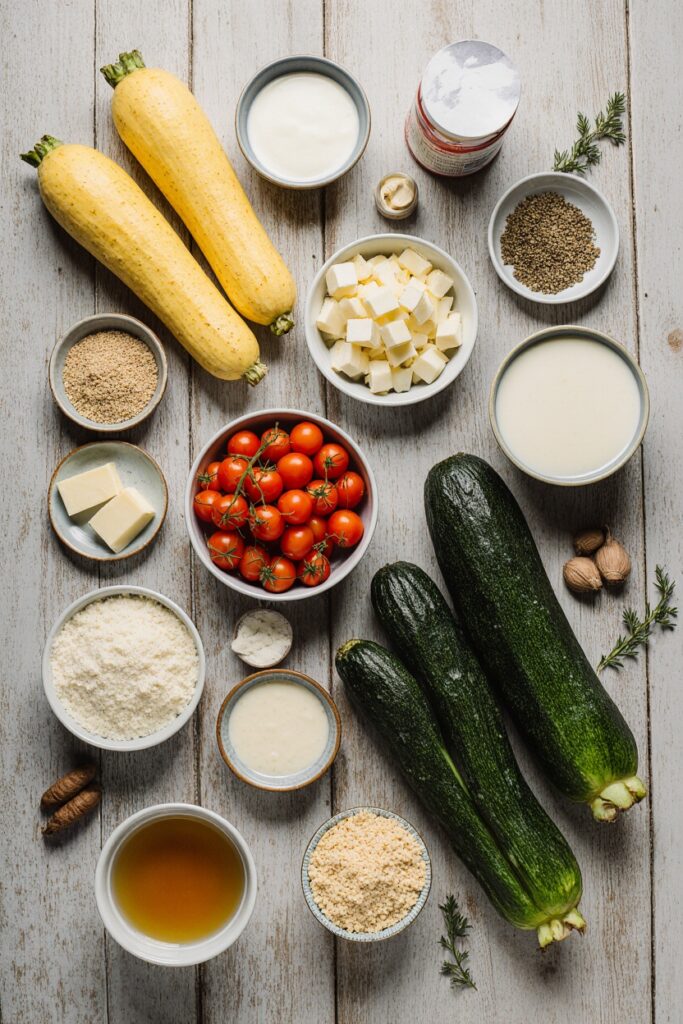
Here’s where Amish harvest casserole really shines—the ingredient list is so simple and straightforward. Nothing fancy. Nothing confusing. Just real food that you can actually identify. This is the kind of recipe that reminds you why you loved cooking in the first place.
For the Main Casserole:
- 2 medium yellow squash, sliced into half-moons
- 2 medium zucchini, sliced into half-moons
- 2 medium tomatoes, sliced (or 1 can of diced tomatoes if fresh tomatoes are sad)
- 1 medium onion, diced
- 3 cloves garlic, minced
- 3 tablespoons butter
- 2 tablespoons all-purpose flour
- 1 cup whole milk (or half-and-half if you’re feeling fancy)
- 1 cup vegetable broth (or chicken broth, honestly whatever you have)
- 1 cup sharp cheddar cheese, shredded (or whatever cheese you have, real talk)
- 1/2 cup Parmesan cheese, grated
- Salt and pepper to taste
- 1 teaspoon fresh thyme (or 1/2 teaspoon dried thyme)
- 1/2 teaspoon dried basil
- Pinch of nutmeg (trust me on this)
For the Topping:
- 1 cup panko breadcrumbs (or crushed crackers, or crushed cornflakes if you’re desperate)
- 4 tablespoons butter, melted
- 1/4 cup grated Parmesan cheese
- 1 teaspoon fresh parsley, chopped (optional but pretty)
How to Make Amish Harvest Casserole (Without Making a Mess)
Okay, so Amish harvest casserole seems more complicated than it actually is. Basically you’re making a vegetable-filled sauce situation and then baking it with a crispy topping. That’s it. Don’t overthink it. I know I do.
Step 1: Preheat your oven to 350°F (175°C). Grease a 9×13 baking dish because nobody wants to scrape casserole off a pan afterwards. That’s basically a nightmare scenario.
Step 2: Slice your yellow squash and zucchini into half-moons. They should all be about the same thickness so they cook evenly. This is important because if some pieces are thick and some are thin, you’ll end up with some overcooked and some still crunchy. Balance is everything in Amish harvest casserole. I learned this by being impatient and cutting everything at different thicknesses. Not fun.
Step 3: Slice your tomatoes and dice your onion. Mince your garlic. Basically do all your prep work now because once you start cooking, things move pretty quickly. I usually have everything sitting in little bowls, which makes me feel organized even though I’m generally a chaotic person.
Step 4: In a large pot or Dutch oven, melt three tablespoons of butter over medium heat. Add your diced onion and cook for about 3-4 minutes until it starts getting soft and smells amazing. Don’t skip this step. The smell alone is worth it.
Step 5: Add your minced garlic and cook for another minute. Just until fragrant. Not until it starts turning brown. Burned garlic tastes horrible, and we’re not doing that here. I’ve definitely done that and lived to regret it.
Step 6: Sprinkle your flour over the onions and garlic and stir it around for like two minutes. This is called making a roux, apparently, which sounds fancy but it’s just butter and flour creating a base for your sauce. Not complicated at all.
Step 7: Gradually add your milk and vegetable broth while stirring constantly. This is important because if you just dump it all in at once, you’ll get lumps. Nobody wants lumpy sauce. Keep stirring until it’s smooth and creamy. This should take about 3-5 minutes. It’ll thicken up a bit, which is perfect.
Step 8: Add your cheese—both the cheddar and the Parmesan—and stir until it’s all melted and beautiful. The sauce should look creamy and cheesy and honestly kind of amazing at this point. Add your thyme, basil, and that little pinch of nutmeg. The nutmeg is weird, I know, but trust me. It adds this subtle warmth that you can’t identify but you know is there making everything better.
Step 9: Season with salt and pepper to taste. Taste as you go because you don’t want it too salty. You’re basically done with your sauce now.
Step 10: Layer half of your sliced squash and zucchini into your prepared baking dish. Then layer half of your tomato slices on top. Pour half of your cheese sauce over everything. Then do it again—remaining squash and zucchini, remaining tomatoes, remaining sauce. It should look pretty full at this point.
Step 11: Now for the topping—mix your panko breadcrumbs with melted butter and Parmesan cheese. Add that fresh parsley if you have it and want your Amish harvest casserole to look extra fancy. Sprinkle this mixture all over the top. This is what creates that golden, crispy topping that makes everything worth eating.
Step 12: Bake for 45-50 minutes until the top is golden brown and the edges are bubbling. Your whole kitchen will smell like you actually know how to cook, which is the best feeling. You can tell it’s done when a knife inserted into the center goes through easily and the vegetables are tender.
Step 13: Let it rest for about 10 minutes before serving. I know it’s tempting to just dive in immediately, but this helps everything set up properly. Plus, it gives you time to make a salad or look like you planned this meal in advance.
Real Tips From Someone Who Makes This All the Time
The vegetable slicing thickness is genuinely important for Amish harvest casserole. If everything’s different sizes, cooking times are all different. Use a mandoline slicer if you have one (I don’t, so I use a sharp knife and pray), or just be consistent about it. Your future self will thank you when everything cooks evenly.
Fresh tomatoes are better than canned for this, but canned absolutely works if you’re making this in December and fresh tomatoes are basically impossible to find. Just drain them well because you don’t want your casserole getting all watery. That’s the enemy of good Amish harvest casserole.
Don’t skip the nutmeg. I know it sounds weird in a savory dish. I was skeptical too. But it adds this subtle depth that makes people go “wait, what IS that?” without being able to identify it. It’s kitchen magic.
The panko breadcrumb topping is what makes this feel special. Don’t just leave it off because you’re lazy. The texture contrast is honestly half the point of Amish harvest casserole. It takes literally two minutes to make the topping, and it makes all the difference.
You can make this ahead of time and refrigerate it before baking. Just add about 10-15 minutes to your baking time if you’re baking it straight from the fridge. I’ve done this for church potlucks and dinner parties, and it works perfectly. It’s great for meal prep too if you’re into that sort of thing.
Cheese is flexible. Don’t have sharp cheddar? Use mild. Don’t have both cheddar and Parmesan? Just use whatever cheese you have. Amish harvest casserole is pretty forgiving in that department. The Amish definitely didn’t have access to multiple cheeses anyway, so do what works for your situation.
Serving Suggestions From Real Life
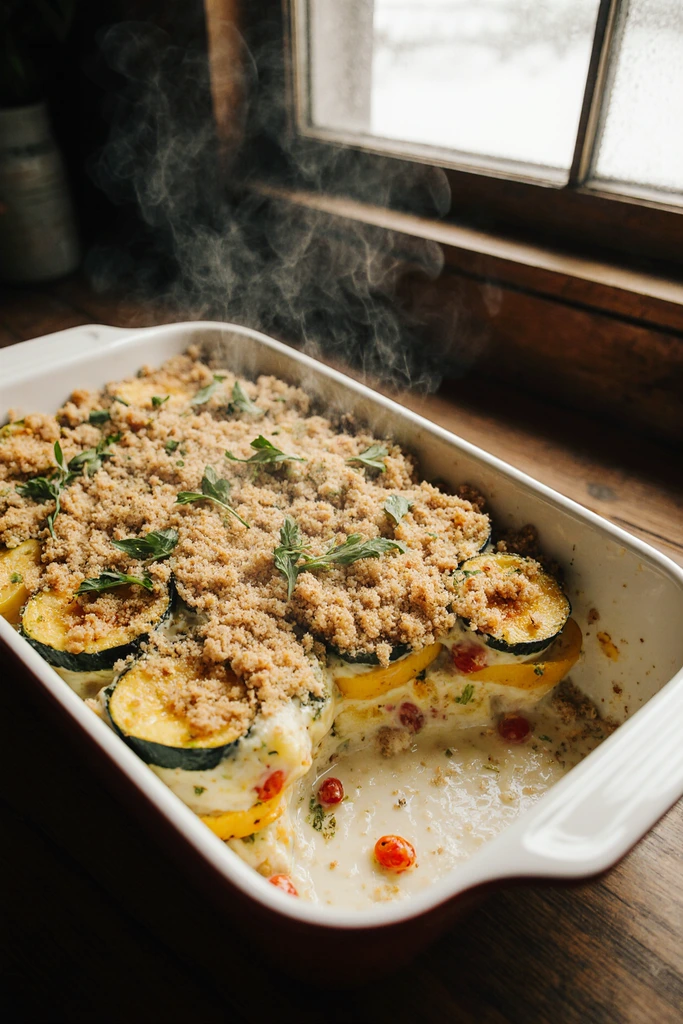
My family eats Amish harvest casserole as a main course, usually with a salad on the side and some fresh bread for soaking up the sauce. My kids actually eat it without complaining, which honestly feels like a minor miracle considering my younger one basically lives on chicken fingers.
My husband likes it with a side of cornbread, which honestly feels very on-brand with the Amish cooking theme. Makes it feel like a whole meal situation.
For potlucks or church dinners, I’ve served it as a side dish alongside a meat main, and it’s always popular. People fill up on it pretty quick because it’s so filling. In my opinion, it’s honestly good enough to be the star of the show though.
Vegetarian friends and family ask for it specifically now, which is cool. It’s hearty enough that they don’t miss the meat. And it’s obviously completely vegetarian, so that’s always a bonus. Well, unless you use chicken broth instead of vegetable broth, which I did once by accident. That was awkward to explain.
Storing Your Amish Harvest Casserole (Real Talk)
Amish harvest casserole stores beautifully, which is one of my favorite things about it. Keep leftovers in an airtight container in the fridge for up to four days. You can eat it cold straight from the fridge (which I’ve definitely done at midnight like some kind of casserole bandit), or reheat it in the oven at 350°F for about 15-20 minutes until warmed through.
You can also freeze it before baking, which is honestly genius for meal prep. Just prepare it all the way through the topping step, cover it tightly with plastic wrap and then foil (the foil layer is important so it doesn’t get freezer burn), and stick it in the freezer for up to two months. When you’re ready to bake it, just add about 15-20 minutes to the baking time. It’s basically like having homemade comfort food on standby, which feels like winning at life.
Final Thoughts on Amish Harvest Casserole
Look, Amish harvest casserole isn’t going to blow your mind with complicated flavors or fancy techniques. But it’s going to remind you why comfort food exists in the first place. It’s the kind of food that makes sense year-round but feels especially right when the weather starts turning and you’re suddenly craving warmth and coziness.
This recipe has become such a fixture in my kitchen that I make it at least once a month, sometimes more during fall when squash and zucchini are everywhere and cheap. It’s impressive enough for dinner guests, easy enough for a weeknight, and honestly delicious enough that people always ask for the recipe.
The farmer’s market lady definitely knew what she was talking about when she handed me that recipe on the back of a receipt. Sometimes the best food recommendations come from the least expected places. If you make this, seriously, let me know how yours turns out! Did you tweak anything? Do you have a different version in your family? I’m genuinely curious because I feel like everyone’s got their own take on Amish harvest casserole, and I love hearing about it.
And if your first attempt isn’t perfect—don’t worry. Casseroles are super forgiving. Even my worst attempt was still delicious and completely edible. If I can make this without burning down my kitchen (which, let me be honest, almost happened once with the topping), anyone absolutely can.
Happy baking! (And may your casserole dish never stick.) 🥒✨
check more dinner recipes :12 Must Try Cozy Fall Dinner Recipes That’ll Make You Cancel Your Plans
Table of Contents
Amish Harvest Casserole
A traditional Amish harvest casserole made with fresh yellow squash, zucchini, tomatoes, and creamy cheese sauce topped with crispy panko breadcrumbs. This comforting vegetarian main course celebrates fresh harvest vegetables and simple, wholesome ingredients. Perfect for fall dinners and potlucks.
Ingredients
- 2 medium yellow squash, sliced into half-moons
- 2 medium zucchini, sliced into half-moons
- 2 medium tomatoes, sliced
- 1 medium onion, diced
- 3 cloves garlic, minced
- 3 tablespoons butter
- 2 tablespoons all-purpose flour
- 1 cup whole milk
- 1 cup vegetable broth
- 1 cup sharp cheddar cheese, shredded
- 1/2 cup Parmesan cheese, grated
- Salt and pepper to taste
- 1 teaspoon fresh thyme
- 1/2 teaspoon dried basil
- Pinch of nutmeg
- 1 cup panko breadcrumbs
- 4 tablespoons butter, melted
- 1/4 cup grated Parmesan cheese for topping
- 1 teaspoon fresh parsley, chopped (optional)
Instructions
-
Step 1Preheat your oven to 350°F (175°C). Grease a 9x13 baking dish with butter or cooking spray.
-
Step 2Slice your yellow squash and zucchini into uniform half-moons about 1/4-inch thick. Slice tomatoes and dice onion. Mince garlic. Have all ingredients prepped and ready.
-
Step 3In a large pot or Dutch oven, melt three tablespoons of butter over medium heat. Add diced onion and cook for 3-4 minutes until softened and fragrant.
-
Step 4Add minced garlic and cook for one minute until fragrant, being careful not to burn it.
-
Step 5Sprinkle flour over the onion and garlic mixture. Stir constantly for about two minutes to create a roux base for your sauce.
-
Step 6Gradually add milk and vegetable broth while stirring constantly to prevent lumps. Continue stirring for 3-5 minutes until the sauce thickens and becomes smooth and creamy.
-
Step 7Add shredded cheddar cheese and grated Parmesan cheese, stirring until completely melted and incorporated.
-
Step 8Season the sauce with fresh thyme, dried basil, a pinch of nutmeg, and salt and pepper to taste. Stir to combine thoroughly.
-
Step 9In your prepared baking dish, layer half of the sliced squash and zucchini, followed by half of the tomato slices. Pour half of the cheese sauce over this layer.
-
Step 10Repeat layering with remaining squash, zucchini, and tomatoes. Pour the remaining cheese sauce over the top layer.
-
Step 11In a bowl, mix panko breadcrumbs with melted butter, Parmesan cheese, and fresh parsley if using. Sprinkle this mixture evenly over the top of the casserole.
-
Step 12Bake for 45-50 minutes until the top is golden brown and the edges are bubbling. A knife inserted into the center should go through easily and vegetables should be tender.
-
Step 13Remove from oven and let rest for 10 minutes before serving. This allows the casserole to set properly.