

Beef and vegetable stew has been my go-to comfort food for the past five years, and honestly? I’ve probably made it wrong at least fifteen times before figuring out what actually works. Look, I’m gonna be real with you—this isn’t some fancy restaurant dish. It’s the kind of beef and vegetable stew that makes your kitchen smell amazing and your family actually excited for dinner.
I think… no, I know this started when my neighbor knocked on my door last Tuesday with a bag of leftover carrots and potatoes. She was moving and didn’t want them to go bad. That’s when I remembered my grandmother’s old recipe that I’d been meaning to try. Well, “recipe” is generous—it was more like scribbled notes on a napkin that I found in her recipe box.
Why This Beef and Vegetable Stew Actually Works
Here’s the thing about most stew recipes online—they’re either way too complicated or they skip the important stuff. This beef and vegetable stew hits that perfect spot between “I don’t have all day” and “I want something that tastes like I actually tried.” And trust me, I’ve made every mistake possible with this dish.
The first time I attempted this, I used the wrong cut of beef. Disaster. Complete disaster. Spent three hours chewing what felt like leather boots. My 8-year-old took one bite and asked if we could order pizza instead. That’s when I learned that chuck roast is your friend—not whatever “stew meat” they’re selling at the grocery store that looks like it came from who knows where.
Actually, you know what? Let me tell you about my worst beef and vegetable stew failure. Last month, I got distracted watching Netflix (don’t judge) and completely forgot I had the pot on the stove. The smell wasn’t great. The smoke alarm was… enthusiastic. My husband came home to find me scraping black chunks off the bottom of my favorite Dutch oven while the cat judged me from across the kitchen.
The Real Talk About Ingredients – Beef and vegetable stew
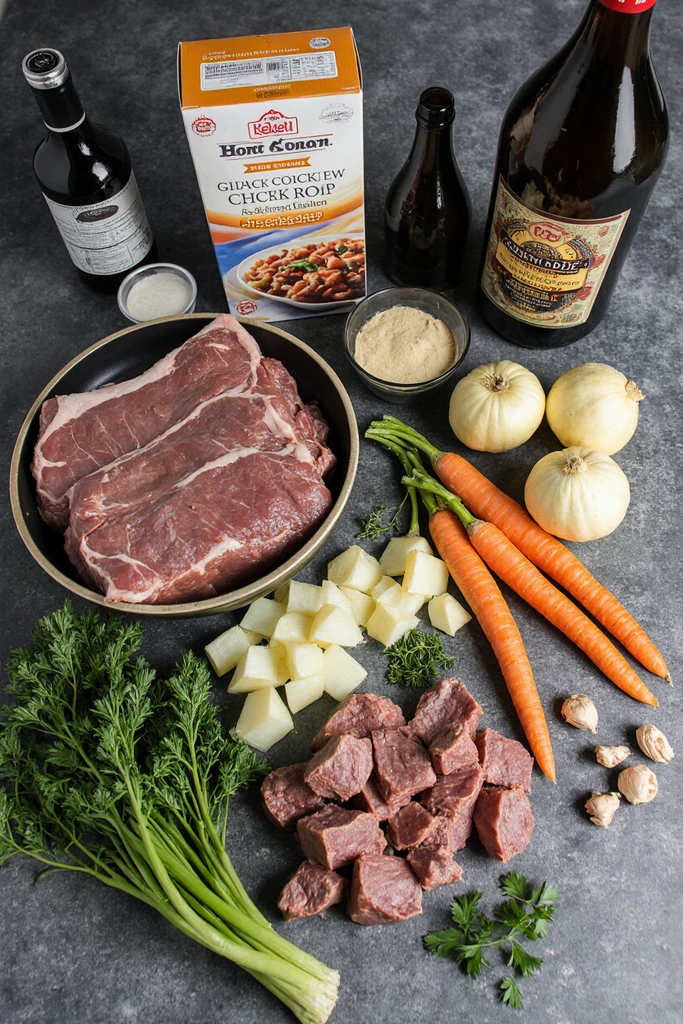
Now, everyone keeps asking what makes this beef and vegetable stew different from all the others. Honestly? It’s not revolutionary. I just actually pay attention to what I’m doing now (most of the time).
What You Actually Need for Beef and vegetable stew
2 lbs chuck roast, cut into 2-inch chunks (don’t go smaller—trust me on this one)
- 3 tablespoons olive oil (the good stuff, not whatever’s been sitting in your pantry since 2019)
- 1 large onion, chopped (I use yellow because that’s what I always have)
- 4 cloves garlic, minced (or 6 if you’re like me and obsessed with garlic)
- 3 carrots, cut into chunks (baby carrots work too if you’re lazy)
- 3 potatoes, diced (I use russet but honestly whatever you’ve got)
- 2 celery stalks, chopped
- 3 cups beef broth (homemade is great, store-bought is fine—I won’t tell)
- 1 cup red wine (the kind you’d actually drink, not cooking wine)
- 2 tablespoons tomato paste
- 2 bay leaves
- 1 teaspoon dried thyme
- Salt and pepper to taste
- 2 tablespoons flour for thickening
Don’t buy pre-cut stew vegetables. Just don’t. They’re expensive and usually include weird pieces you don’t want. Speaking of expensive—good chuck roast isn’t cheap, but it’s worth it. I learned this the hard way after trying to make beef and vegetable stew with discount meat that had the texture of rubber bands.
How to Actually Make This Thing – Beef and vegetable stew
Step 1: Heat that olive oil in your biggest, heaviest pot. Cast iron Dutch oven is perfect, but whatever you have works. Pat the beef dry first—this is crucial. Wet meat won’t brown properly, and browning is where all the flavor lives.
Step 2: Brown the beef in batches. And I mean actually brown it, not just warm it up. You want those crusty, caramelized bits. This takes patience. I used to rush this step and wondered why my beef and vegetable stew tasted boring.
Step 3: Remove the beef and set it aside. Don’t clean the pot—those brown bits stuck to the bottom are liquid gold. Add your onions to the same pot. Cook them until they’re soft and starting to turn golden, about 5 minutes.
Step 4: Add the garlic and cook for maybe 30 seconds. Don’t let it burn—burnt garlic is bitter and will ruin everything. (Learned this the hard way. Multiple times.)
Step 5: Pour in that wine and scrape up all those beautiful brown bits. This is called deglazing, which sounds fancy but just means you’re not wasting flavor. Let the wine cook down for a couple minutes.
Step 6: Add the beef back in, along with the broth, tomato paste, bay leaves, and thyme. Bring it to a boil, then reduce to a simmer. Cover and let it go for about 1.5 hours.
Here’s where I always mess up—I get impatient. But seriously, don’t rush this part. The beef needs time to get tender. Set a timer, then set another timer to remind you about the first timer.
Step 7: Add your vegetables—carrots first, then potatoes and celery after about 15 minutes. They don’t all need the same cooking time, and nobody wants mushy vegetables in their beef and vegetable stew.
Step 8: Cook for another 30-40 minutes until everything is tender. If it’s too thin, mix that flour with a little cold water and stir it in. If it’s too thick, add more broth.
The Stuff Nobody Tells You-Beef and vegetable stew
Remove those bay leaves before serving. I forgot once and my father-in-law almost choked. Not fun.
Taste and season at the end. Every batch of this beef and vegetable stew tastes slightly different depending on your beef, your vegetables, your broth. Some need more salt, some need a splash more wine.
This is actually better the next day. I know, I know—waiting is torture when it smells this good. But the flavors really come together overnight. Sometimes I make it just to have amazing leftovers.
Oh, and here’s something weird I discovered by accident—a splash of Worcestershire sauce right at the end makes everything taste deeper. Don’t ask me why. Chemistry isn’t my thing.
Real Talk About Serving-Beef and vegetable stew

I serve this Beef and vegetable stew with crusty bread because you need something to soak up that incredible broth. My kids dip their bread in it like it’s soup. My neighbor Sarah swears by serving it over mashed potatoes, which sounds excessive but is actually amazing.
If you’re feeling fancy, sprinkle some fresh parsley on top. If you’re feeling normal like me, just put it in bowls and call it dinner.
When Things Go Wrong (Because They Will)
If you burn the bottom slightly—been there—just scrape off what you can and keep going. Don’t stir the burnt bits throughout; just leave them alone and transfer everything to a clean pot if it’s really bad.
If it’s too salty, add a peeled potato and let it cook for a bit. It’ll absorb some of the salt. Remove the potato before serving unless you want extra potato chunks, which honestly isn’t the worst thing.
If it’s bland, it probably needs acid. A splash of red wine vinegar or even a squeeze of lemon can brighten everything up.
Why This Works for Real Life-Beef and vegetable stew
This beef and vegetable stew feeds my family of four with leftovers for lunch the next day. It freezes well, though the potatoes get a little weird in texture—still tastes good though.
My 8-year-old, who I mentioned earlier refuses anything green, somehow doesn’t notice the celery in this. Victory is victory.
It’s also one of those meals that makes your house smell incredible. Last week my neighbor texted asking what I was cooking because the smell was drifting through their kitchen window.
Look, this isn’t going to win any culinary awards, but it’s going to make you feel accomplished and feed people you care about. And honestly? That’s enough for me.
Seriously, try this and tell me what you think. Anyone else have tricks for making beef and vegetable stew even better? I’m always learning new ways to improve this recipe.
Happy cooking! (and may your smoke alarms stay quiet) 😊
Check more crockpot dinner recipes : TOP 14 Crockpot dinner ideas for every season
Frequently Asked Questions: Beef and Vegetable Stew
Can I use a different cut of beef instead of chuck roast?
Honestly? You could, but you probably shouldn’t. I’ve tried this with sirloin, round roast, and even expensive ribeye (don’t ask—it was a birthday splurge gone wrong). Chuck roast has the perfect amount of fat and connective tissue that breaks down during the long cooking process, making it incredibly tender. Lean cuts like sirloin just get tough and chewy. If you absolutely must substitute, try beef short ribs or bottom round, but add an extra 30 minutes to the cooking time.
How long can I store this Beef and vegetable stew in the refrigerator?
This beef and vegetable stew keeps for about 4-5 days in the fridge, and honestly, it gets better each day. The flavors really marry together overnight. Just make sure you’re storing it in airtight containers. I usually portion it out into individual containers for easy reheating. Pro tip: if it seems too thick when you reheat it, just add a splash of broth or water.
Can I make this Beef and vegetable stew in a slow cooker or Instant Pot?
Oh, absolutely! For the slow cooker: brown your beef first (this step is crucial—don’t skip it), then throw everything except the vegetables into your slow cooker. Cook on low for 6-7 hours, add your vegetables in the last 2 hours.
For the Instant Pot: use the sauté function to brown the beef and onions, then add everything except vegetables. Pressure cook on high for 35 minutes, natural release for 15 minutes, then add vegetables and cook another 5 minutes on high pressure. The texture is slightly different but still delicious.
What if I don’t drink wine or don’t want to use it?
Look, the wine really does add depth to the flavor, but I get it. You can substitute with extra beef broth, or try a splash of balsamic vinegar (just a tablespoon) for that acidic brightness. My neighbor who doesn’t drink alcohol uses grape juice mixed with a little vinegar. Sounds weird, but it actually works pretty well.
My stew turned out too watery. How do I fix it?
Been there! Remove the lid and let it simmer uncovered for the last 20-30 minutes—this helps evaporate excess liquid. If you’re in a hurry, mix 2 tablespoons of flour or cornstarch with cold water until smooth, then stir it in. You can also mash a few of the potato pieces against the side of the pot to naturally thicken it.
Can I add other vegetables to Beef and vegetable stew?
Totally! I’ve thrown in mushrooms (add them with the onions), parsnips, turnips, and even frozen peas at the very end. Green beans work too, but add them in the last 15 minutes so they don’t get mushy. My kids love when I add corn kernels—makes it feel more like a complete meal.
Is it normal for the meat to look gray and unappetizing at first?
Yes! Don’t panic. During the first hour of cooking, the beef looks… not great. Kind of gray and sad. But around the 90-minute mark, it starts transforming into something beautiful. This is why proper browning at the beginning is so important—it gives you that rich color and flavor base.
Can I freeze this Beef and vegetable stew?
Absolutely, and it’s actually perfect for meal prep. It freezes for up to 3 months. The only thing is that potatoes get a little weird in texture after freezing—they’re still edible, just slightly grainy. Some people leave out the potatoes and add fresh ones when reheating, but honestly, I just deal with the texture change because I’m lazy.
My family doesn’t like chunks of vegetables. Any suggestions?
Ha! My 8-year-old is the same way. Try cutting everything smaller—like dice-sized instead of chunks. You can also blend about a cup of the finished stew (without the meat chunks) and stir it back in. This gives you that vegetable flavor and nutrition without obvious pieces. Sneaky but effective.
The recipe calls for 2 hours of cooking time, but I only have 1 hour. Help!
Cut your beef smaller—1-inch cubes instead of 2-inch chunks. Use your pressure cooker if you have one. Or honestly? Make something else. I know that sounds harsh, but tough beef is worse than no beef. This recipe really needs time to work its magic.
Why did my garlic burn even though I followed the recipe exactly?
Your heat is probably too high. Garlic goes from perfect to burnt in like 10 seconds. Keep your heat at medium or medium-low when adding garlic. Also, make sure your onions are actually softened before adding the garlic—if your onions aren’t ready, the pan might be too hot for garlic.
Can I double this recipe?
Sure, but you’ll need a really big pot. I’ve done it for dinner parties. Just make sure you brown the beef in smaller batches—don’t overcrowd the pan or it won’t brown properly. The cooking times stay about the same, maybe add an extra 15-20 minutes to be safe.
What’s the best bread to serve with this?
Crusty sourdough is my go-to, but honestly, whatever you have works. French bread, dinner rolls, even cornbread is amazing with this. My husband likes it with those frozen dinner rolls from the grocery store. Not fancy, but it soaks up the broth perfectly.
My beef is still tough after 2 hours. What went wrong?
Could be a few things: your beef might have been cut against the grain wrong, your heat might be too high (it should be barely simmering, not boiling), or you might need more time. Some chuck roasts are just tougher than others. Give it another 30 minutes and see what happens.
Can I make this ahead for a dinner party?
This is actually perfect for entertaining because it’s better the next day! Make it completely the day before, let it cool, then refrigerate. Reheat gently on the stove, adding a little extra broth if needed. Your guests will think you’re incredibly organized, when really you just know this recipe’s secret.
Any tips for making this in a tiny kitchen with minimal equipment?
You really just need one good pot. I made this in a studio apartment with basically no counter space. Do all your chopping first and put everything in bowls (or plates, or whatever you have). Brown the beef in batches if your pot is small. It’ll take longer, but it’s totally doable. The most important thing is that heavy-bottomed pot so nothing burns.
Beef and Vegetable Stew
This comforting beef and vegetable stew features tender chuck roast, hearty vegetables, and rich broth. A fail-tested family recipe with real cooking tips and honest mistakes to help you make the perfect homemade stew every time.
Ingredients
- 2 lbs chuck roast, cut into 2-inch chunks
- 3 tablespoons olive oil
- 1 large onion, chopped
- 4 cloves garlic, minced
- 3 carrots, cut into chunks
- 3 potatoes, diced
- 2 celery stalks, chopped
- 3 cups beef broth
- 1 cup red wine
- 2 tablespoons tomato paste
- 2 bay leaves
- 1 teaspoon dried thyme
- Salt and pepper to taste
- 2 tablespoons flour for thickening
Instructions
-
Step 1Heat olive oil in a large Dutch oven. Pat beef dry and brown in batches until crusty and caramelized.
-
Step 2Remove beef and set aside. Add onions to the same pot and cook until soft and golden, about 5 minutes.
-
Step 3Add garlic and cook for 30 seconds without burning.
-
Step 4Pour in wine and scrape up browned bits from bottom of pot. Let wine cook down for 2 minutes.
-
Step 5Return beef to pot. Add broth, tomato paste, bay leaves, and thyme. Bring to boil, then simmer covered for 1.5 hours.
-
Step 6Add carrots first, then potatoes and celery after 15 minutes. Continue cooking 30-40 minutes until vegetables are tender.
-
Step 7If stew is too thin, mix flour with cold water and stir in. Remove bay leaves before serving.
-
Step 8Taste and season with salt and pepper. Serve hot with crusty bread.